
Construction Defects – Buyer Rights and the Complaint Process Against the Contractor
·5 min read
Almost every new apartment has some construction defects — it's close to the norm in Israel's construction industry. The real problem isn't the defect itself, but buyers who don't know how to document it properly, don't approach the contractor in time, or give up after one unanswered email. Israeli law protects you well, but that protection depends on you.
Step 1: Identify and Document the Defect
Before contacting the contractor, document the defect in a way that will hold up to legal scrutiny:
- Clear photos from multiple angles, with a visible date
- Exact location: room, wall, height from the floor
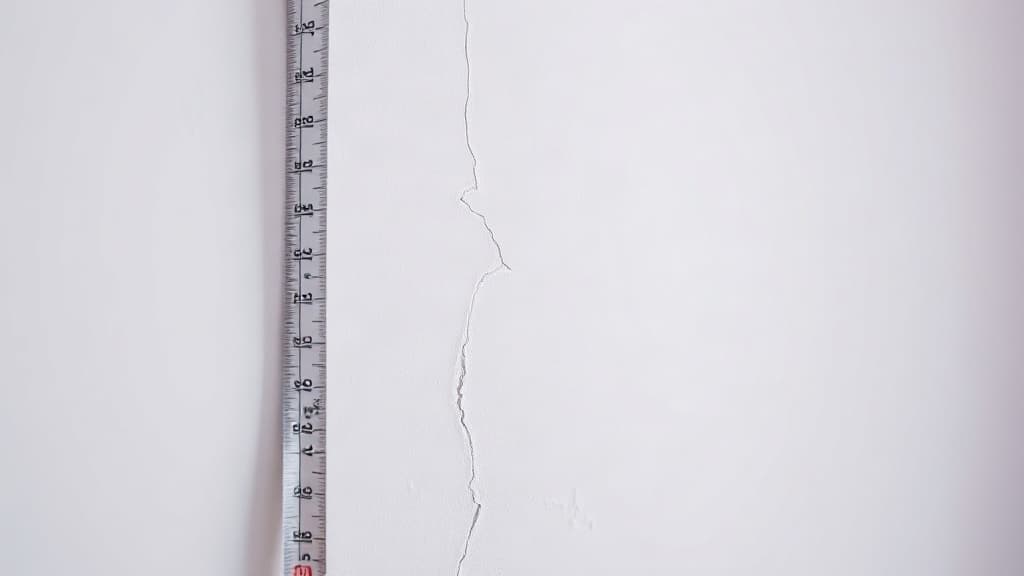
- Factual description — not "looks bad," but "a 40 cm crack in the wall connecting the living room to the balcony, below the window"
- If it's a recurring defect (seasonal dampness, for example), document it over time, not just once
This is the exact same principle behind a professional home inspection at handover, the earlier and more precisely a defect is documented, the easier it is to prove you didn't cause it.
Step 2: Formal Notice to the Contractor
Send written notice (email or registered letter) that includes: a description of the defect, attached documentation, and an explicit demand for repair within a reasonable timeframe (typically 30 days, unless it's an urgent defect like an active leak). Keep a copy and proof of delivery, this is the document that will prove you reached out in time, within the relevant warranty period.
Step 3: If the Contractor Doesn't Respond or Ignores You
If the reasonable timeframe has passed with no response, or the repair was done negligently:
- A follow-up warning letter, this time explicitly citing the Sale Law (Apartments) and stating your intent to pursue legal action if there's no response
- An independent engineering opinion from a home inspection engineer, this is the central document that will support any legal proceeding or negotiation
- A lawsuit — depending on the damage amount, you can file in small claims court (up to the statutory cap), magistrate's court, or district court for especially large claims
What Determines Your Chances of Success
- Timing: raising the issue within the warranty period (up to 7 years, depending on the defect type) shifts the burden of proof to the contractor. After the warranty period, the buyer must prove the defect originates from faulty workmanship, design, or materials.
- Documentation quality: an organized engineering report with tagged photos is worth far more than a verbal complaint.
- Consistency: an organized correspondence trail proves you acted promptly and in good faith, not that you "woke up" only when it was time to sue.

Common Mistakes Buyers Make
- Signing the handover protocol without reservations, even when a defect is visible, which makes it much harder to later prove it wasn't caused by you. The same logic applies to any handover protocol you sign, whether from a contractor or a landlord
- Waiting too long before making a formal complaint, which undermines the claim that the defect existed from the start
- Relying on phone calls alone without written backup, in court, what isn't written simply didn't happen
A Concrete Scenario
A buyer notices a hairline crack running along the ceiling of the master bedroom about four months after moving in. Rather than waiting to see if it "settles," they photograph it the same week from three angles with a tape measure for scale, note the exact location and length in writing, and email the contractor with the photos attached, requesting repair within 30 days and referencing the Sale Law (Apartments), 5733-1973. The contractor doesn't respond within the deadline. A follow-up registered letter goes out on day 35, this time with an explicit warning that legal action will follow. Two weeks later, a crew is scheduled. Because the entire timeline is documented — the original photos, the first email with a delivery receipt, and the follow-up letter — the buyer never needed to hire an engineer or go to court. Most defect disputes resolve at exactly this stage, provided the paper trail is solid enough that the contractor sees a costly loss coming rather than a bluff.
What If You're Renting Out the Apartment With Known Defects?
If you're a landlord renting out a relatively new apartment that still has unresolved construction defects, your obligations don't stop with the contractor. You also need to disclose those defects to your tenant, in writing, before they move in — otherwise you risk losing your own claim against the contractor and creating a separate dispute with your tenant. See our guide to renting out a new apartment with existing defects for exactly what needs to appear in the lease.
Frequently Asked Questions
What if I already signed the handover protocol without noting the defect? You can still pursue a claim, since the warranty period doesn't depend on the protocol alone, but proving the defect existed from handover becomes harder the more time has passed without documentation.
Does every defect require an engineer's opinion? No, minor, clearly visible defects (a chipped tile, a door that doesn't close properly) usually resolve with a straightforward written notice. An engineering opinion becomes valuable when the contractor disputes the cause or the defect is structural.
Is there a cost to filing in small claims court? Filing fees are low and the process doesn't require a lawyer, which is exactly why it's the practical option for defect claims within the statutory cap.
What Actually Matters Here
The Sale Law (Apartments) gives buyers strong tools, but they only work with organized documentation and timely complaints. A professional inspection at handover is the best starting point, but even a defect discovered later can still be fixed, provided it's documented correctly and you follow the right steps.

Propix lets you document every defect in your apartment with clear photos, dates, and categories, and build a professional report you can send to the contractor or attach to an engineering opinion, all from one place, without digging through old photos on your phone.