
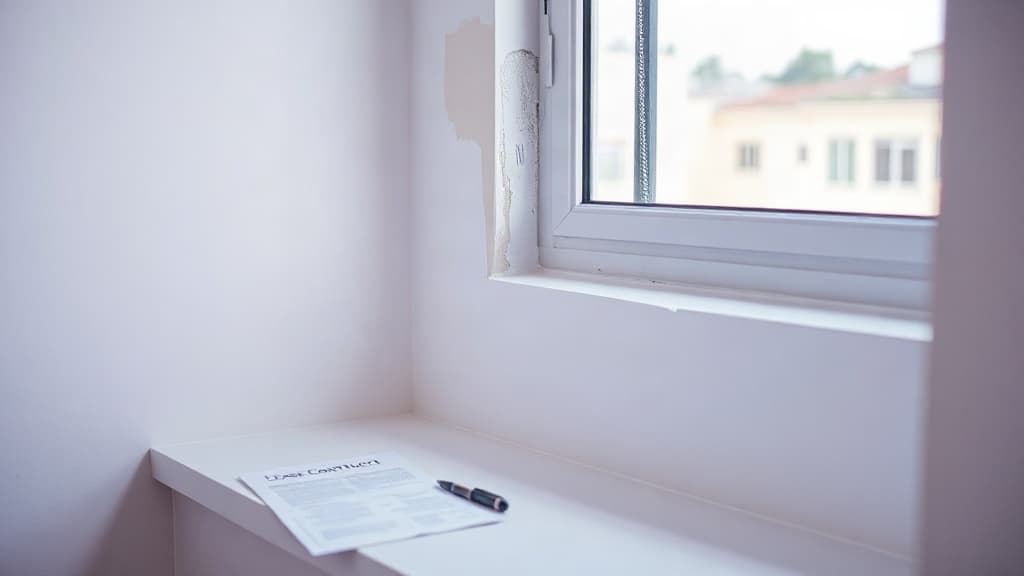
Renting Out a New Apartment with Existing Defects? It Must Be in the Lease
·6 min read
Many landlords assume a new apartment from a contractor means an apartment with no issues, so they see no reason to address defects in the lease. In practice, most new apartments have some construction defects, some already resolved with the contractor, some still in progress, within the warranty or liability period. If you rent out the apartment while such defects still exist, and the lease with your tenant stays silent about it, you're exposing yourself to three problems at once.
Why Staying Silent About a Known Defect Is Risky
Most new apartments come with some construction defects that surface during the warranty or liability period following handover, and it's entirely normal to still be waiting on the contractor for a repair when you decide to rent the place out. That's not the problem. The problem starts when the lease itself says nothing about it.
First, a tenant who discovers a crack or dampness without prior warning may claim it's a new defect that occurred during the tenancy, and demand you fix it at your own expense, or even ask for reduced rent on the grounds of "a defect diminishing enjoyment of the property."
Second, on move-out day, when you compare the apartment's condition to what was documented at handover, any defect that wasn't noted beforehand might get mistakenly charged to the tenant, or, just as likely, the tenant will rightly argue they're not responsible for it, and you'll lose your basis for deducting from the deposit for damage they actually did cause.
Third, and perhaps most important: you could lose your own rights against the contractor. If a tenant reports a defect that already existed but you never documented it and never contacted the contractor in time, your ability to claim a fix within the warranty period is significantly weakened.
What Must Appear in the Lease
If there are known defects, even minor ones, even ones you've already reported to the contractor and are waiting on, they need to appear in two places.
1. An Explicit Clause in the Body of the Lease
Add a clause referencing a defects addendum: "The apartment is leased as-is, except for the defects listed in Appendix A to this document. The landlord undertakes to pursue their repair with the contractor in accordance with the applicable statutory timelines." A clause like this establishes upfront that responsibility for those specific defects rests with you vis-à-vis the contractor, not as part of the landlord-tenant relationship.
2. A Detailed Defects Addendum With Photos
Just like a proper handover protocol, the addendum should include, for each defect: exact location (room, wall, height), a factual description, a dated photo, and repair status (reported to contractor on date X, repair in progress, or awaiting scheduling). Such an addendum, signed by both parties along with the lease, is solid evidence that the defect existed before the tenant moved in. This addendum works alongside, not instead of, the standard handover protocol covering the rest of the apartment's condition.
3. Ongoing Updates if a Repair Happens Mid-Tenancy
If the contractor comes to fix a defect while the tenant is living in the apartment, document it — the repair date, what was done, and the tenant's confirmation that the work was completed. This prevents the same defect from mistakenly "reappearing" in the move-out protocol.
What About Defects That Only Surface After Move-In?
Even with the most thorough inspection, some defects only show up in everyday use, a leak that only appears in the first rain, for example. For this, set up a clear reporting channel in the lease: the tenant reports the defect to you in writing (message or email) as soon as it's discovered, and you commit to forwarding it to the contractor within a set timeframe. This preserves your rights against the contractor, and the tenant knows they don't have to absorb a problem that isn't theirs.

A Concrete Scenario
A landlord rents out a year-old apartment where the contractor still owes a repair on a bathroom door that doesn't seal properly, flagged in the original inspection report and already reported. The lease includes the explicit as-is clause, plus a one-page addendum with a photo of the door gap and the note "reported to contractor March 3rd, repair scheduled." Two months into the tenancy, the tenant mentions the door in passing, and because it's already documented and disclosed, there's no discussion about who's responsible or whether it's new damage. When the contractor's crew finally comes to fix it in month four, the landlord logs the repair date and asks the tenant to confirm the fix in writing. At move-out a year later, there's no confusion about the door at all, it's a closed, documented item rather than an open question.
Why This Protects Both the Tenant and You
Transparency about known defects doesn't just prevent disputes, it builds trust. A tenant who knows what to expect upfront is far less likely to complain or demand a discount mid-tenancy, and more likely to renew the lease. A tenant who feels misled about the apartment's real condition, on the other hand, is a natural candidate for early move-out and a deposit dispute. It's the same principle behind every clause in a solid lease: the more specific the document, the less room there is for disagreement later.
Defects Disclosure Checklist
- [ ] Every known defect listed in a dated addendum with photos
- [ ] An explicit as-is clause in the lease body referencing the addendum
- [ ] A defined reporting channel for defects discovered after move-in
- [ ] Repair dates and tenant confirmation logged as work gets done
- [ ] The addendum signed by both parties alongside the lease itself
Frequently Asked Questions
Do I need to disclose defects the contractor already fixed before the tenant moved in? Not necessarily in detail, but noting that the apartment had defects that were resolved before handover to the tenant can still be useful if a similar-looking issue resurfaces later and needs to be distinguished from the original one.
What if the tenant doesn't want to sign an addendum listing defects? Explain that it protects them too, since it prevents you from later charging them for pre-existing issues, most tenants sign once they understand the addendum works in their favor as well.
Can I still pursue the contractor for a defect after I've disclosed it to the tenant? Yes, disclosure to your tenant and your rights against the contractor are separate tracks, disclosing doesn't waive your claim, it protects it by keeping your documentation and timeline intact.
The Bigger Picture
A new apartment with existing defects isn't a problem, as long as it's documented and disclosed in the lease. A lease that explicitly names every known defect, in an addendum with photos, is what separates a smooth tenancy from a dispute that could have been avoided entirely.
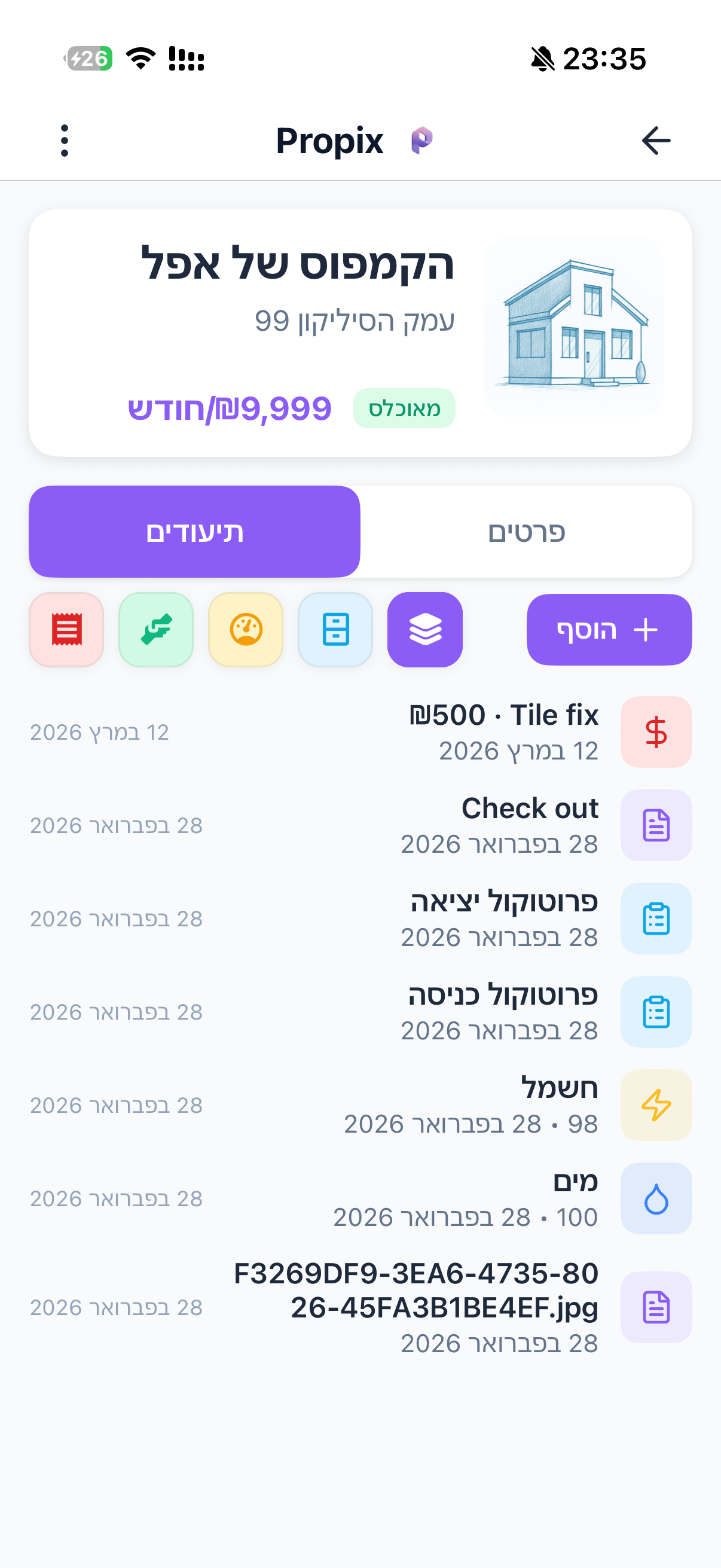
Propix lets you keep the original home inspection report and attach a matching defects addendum to the lease within the same system, so the documentation flows straight from the contractor, through you, to the tenant, without losing a photo or a date along the way.