
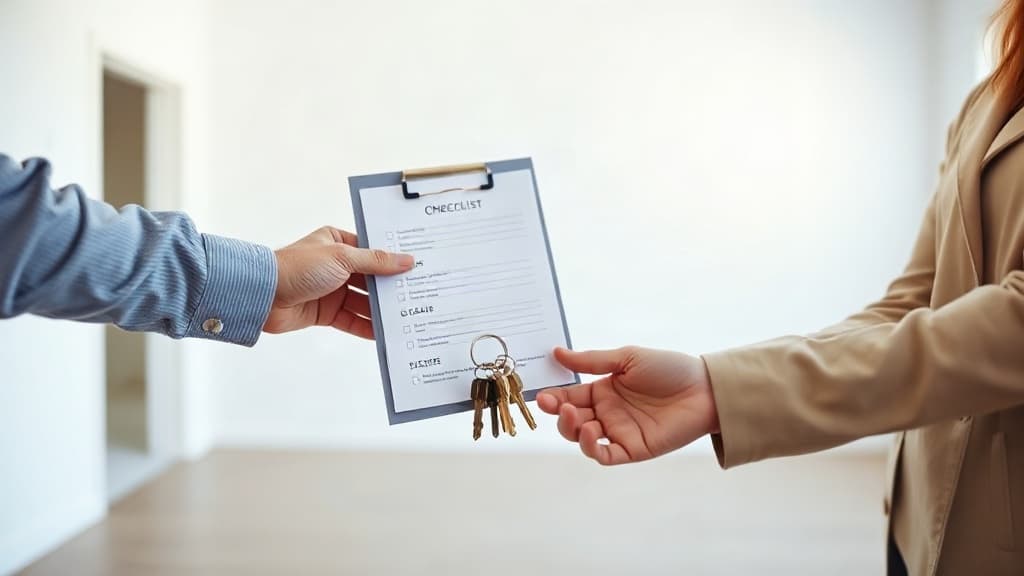
Apartment Handover Protocol – How to Prevent Tenant Disputes Before They Start
·6 min read
The tenant moves out after two years, and you find a water stain in the corner of the living room. The tenant claims it was there at move-in. You claim it wasn't. Without a document recording the apartment's condition on move-in day, it's your word against theirs, and in small claims court, that almost always ends with no compensation.
A handover protocol solves this in advance. It's a simple document, takes 20 minutes to fill out, and saves thousands of shekels and hours of arguments.
What a Handover Protocol Must Include
1. Document the Property's Condition — Room by Room
Go through every room and note its condition: walls, floors, windows, doors. Every scratch, every stain, every existing crack, documented before the tenant moves in. This is the same principle required to meet the six minimum conditions set by the Fair Rental Law.
2. Photos — Lots of Photos
A written description isn't enough. Photograph every room from several angles, with a visible date (most phones add an automatic timestamp). One photo is worth more than a page of description in court.
3. Water, Electricity, and Gas Meter Readings
Record the exact reading on every meter on handover day. This prevents future disputes over who should pay for consumption that occurred before the tenant actually moved in.
4. Equipment Inventory and Condition
Air conditioners, water heater, appliances left in the apartment, furniture (if any) — every item with a description of its current condition (new, used, partially damaged).
5. Keys and Access
How many keys were handed over, entry codes, parking remotes, or any building access devices.
6. Both Parties' Signatures
A protocol without the tenant's signature carries much weaker legal value. Make sure both sides sign the same document, and each side keeps a copy.
Why This Connects Directly to Security Deposits
A handover protocol is the foundation you'll need if you want to deduct damage from the deposit at the end of the lease. Without clear documentation of the initial condition, any deduction is exposed to dispute. For the full rules on collecting and deducting security deposits, see our guide to security deposits.
When to Repeat the Process — on Move-Out Too
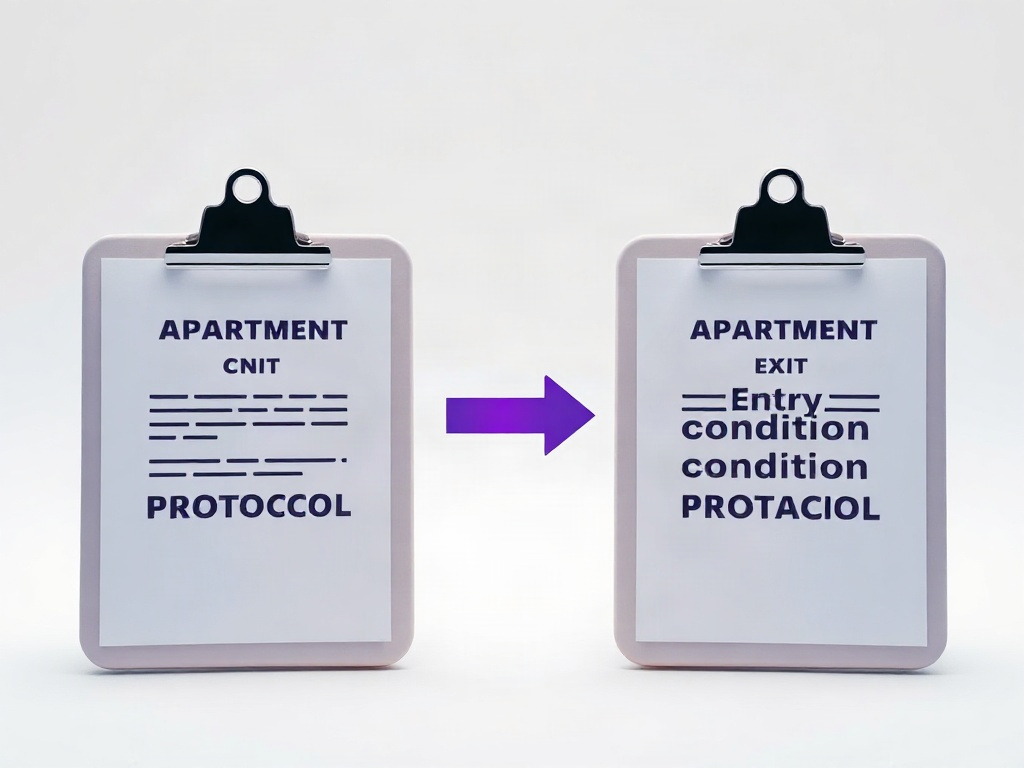
A handover protocol doesn't end at move-in. It's just as important to do a move-out protocol at the end of the lease, comparing the condition documented at move-in against the actual condition at move-out. That's the difference between a well-founded, justified deduction and a dispute that could end in financial loss.
What This Looks Like in Practice
A landlord renting out a two-bedroom apartment spends 25 minutes on move-in day photographing every room, noting a small existing chip in the kitchen counter and a slightly worn spot on the living room floor, and recording the water and electricity meter readings. Both documents get signed on the spot and shared with the tenant the same evening. Eighteen months later, at move-out, the same rooms get photographed again. The kitchen chip and the floor wear are exactly where they were, unchanged, and both sides agree instantly there's nothing to deduct for them. A different mark, a burn on the countertop near the stove, is new, and because the original photo clearly shows an undamaged counter in that exact spot, the tenant doesn't contest a ₪500 deduction for repair. The whole move-out conversation takes ten minutes, because there's nothing left to argue about.
A Common Mistake: Assuming "It's Obvious"
Many landlords skip the protocol because "the tenant seems trustworthy" or "it's just a small apartment." But a tenant who's reliable today may genuinely and honestly disagree in two years — human memory isn't reliable, and even the most honest party may remember it differently. Documentation isn't meant to protect against a "bad" tenant, it's meant to protect both sides.
Handover Protocol Checklist
- [ ] Photograph every room from at least two angles, with a visible timestamp
- [ ] Note every existing scratch, stain, or crack in writing, not just in photos
- [ ] Record water, electricity, and gas meter readings
- [ ] List every appliance and furniture item with its current condition
- [ ] Count keys, remotes, and access devices handed over
- [ ] Get both signatures on the same document, same day
- [ ] Repeat the entire process at move-out, comparing directly against the original
Frequently Asked Questions
Is a handover protocol legally required, or just good practice? Under the 2026 draft regulations, a standardized handover protocol is moving toward becoming mandatory in new leases. Even before that takes effect, it's the single strongest piece of evidence you can have in any deposit dispute.
What if the tenant refuses to sign? Document the condition and photos regardless, send the tenant a copy in writing, and note the date it was sent. A protocol without a tenant signature is weaker evidence, but a documented, time-stamped record you sent them is still far better than nothing.
Can I use the same protocol format for every property? Yes — a consistent template makes comparisons at move-out faster, since you're checking the same categories every time rather than reinventing the format per tenant.
How long should I keep the protocol after the lease ends? Keep it at least until the deposit is returned and the return period passes without dispute, and ideally longer, since a claim relating to the tenancy can sometimes surface months after move-out, well after the deposit itself has already changed hands.
What if I forgot to do one and the tenant already moved in? Do it now, as soon as possible. A protocol completed a few weeks late, dated honestly, is still far more useful than no documentation at all — just note clearly that it reflects the property's condition as of the current date, not the original move-in date, so it doesn't get mistaken for one.
The Takeaway
Twenty minutes of documentation on move-in day are worth more than any argument in court. A proper handover protocol is the cheapest investment you'll make in managing your property, and choosing a quality tenant to begin with, paired with a solid protocol, gives you the safest possible start to a lease.
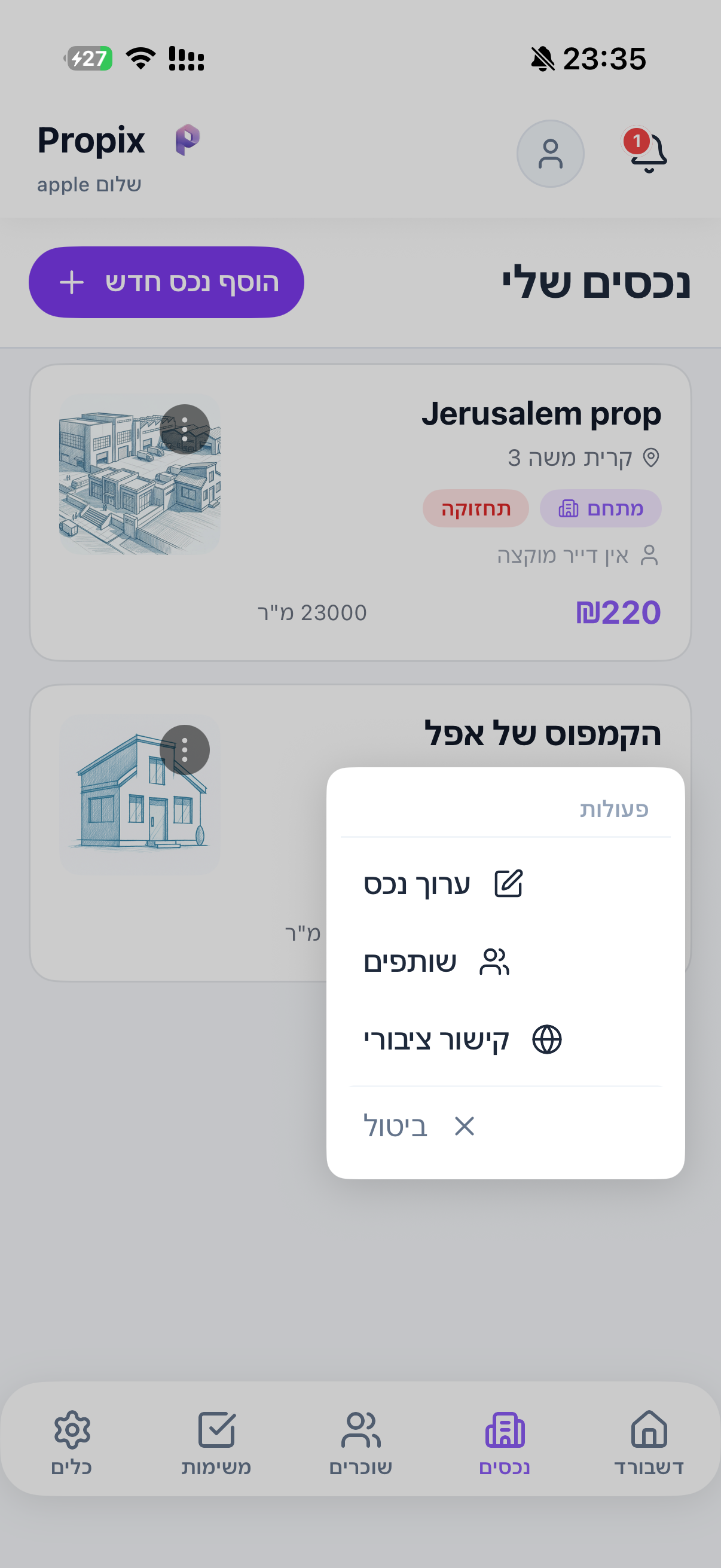
Propix lets you create a digital handover protocol with photos straight from your phone, save it in the property file, and share it with the tenant at the tap of a button — no paperwork, no files lost in WhatsApp.