
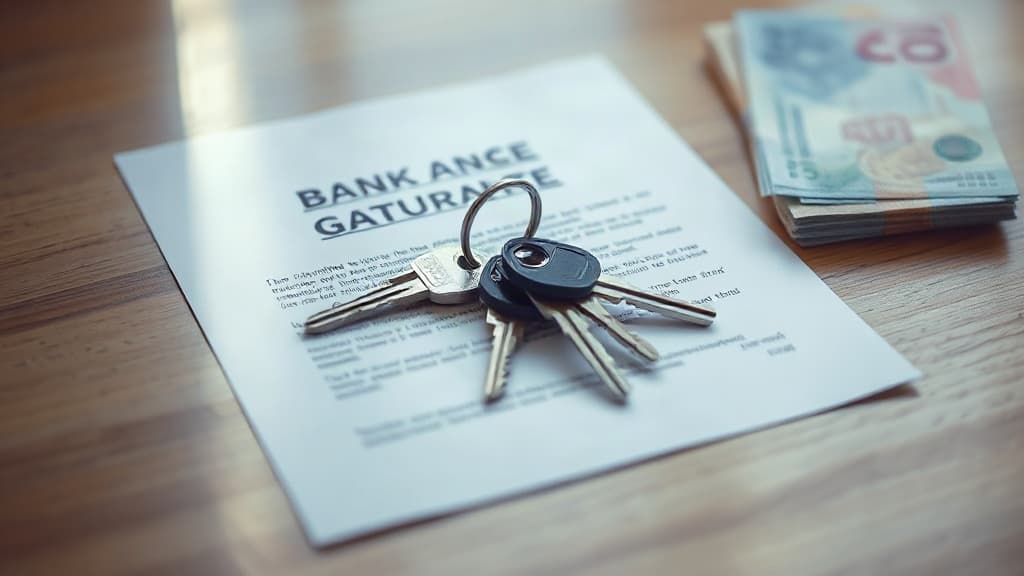
Rental Security Deposits & Guarantees – What's Allowed and What Isn't
·5 min read
A tenant who stops paying, damage to the property, an unpaid building-committee debt — in every one of these scenarios, the security you collected at the start of the lease is what stands between you and a financial loss. But many landlords collect security without knowing exactly what's allowed, exposing themselves to a claim from the tenant at the end of the lease.
The Three Common Types of Security
1. Cash Deposit (Cash or Check)
The simplest to collect, but it requires responsible handling: the money must be kept separately, not "mixed" with your regular funds. A tenant who asks for their deposit back and finds out you don't have it available — that's a real legal problem, and one small claims judges have little patience for.
2. Bank Guarantee
The tenant's bank issues a guarantee letter that can be redeemed directly with the bank, independent of the tenant. A big advantage for the landlord, but many tenants prefer to avoid it because it "locks up" a credit line at their bank, sometimes for the full lease term.
3. Personal Guarantors (Promissory Note)
Common for student rentals and young tenants without a rental history. A promissory note isn't worth much if the guarantor isn't solid. Vet the guarantor with the same seriousness you'd vet the tenant themselves — see our guide to choosing a good tenant for the checks worth running on both.
How Much You're Allowed to Collect — the Legal Limit
This is the clause most landlords violate without realizing it: under the Fair Rental Law, the total combined security (deposit + guarantee + value of promissory notes) is capped at one-third of the rent for the entire lease term, or three months' rent, whichever is lower. Even if you combine several types of security together, the cumulative amount can't exceed this cap. For the rest of the obligations the law places on landlords, see our guide to the 2026 Fair Rental Law.
Example: rent of ₪6,000/month for a year totals ₪72,000 for the term. A third of that is ₪24,000, but three months' rent is only ₪18,000. Here the legal cap is ₪18,000, the lower figure.
When You're Required to Return the Deposit
Within 60 days of the lease ending and the property being handed back. A late return, even if a legitimate deduction is ultimately due to you, can be considered a violation of the law and expose you to a claim for interest and indexation differences on top of the principal.
How to Deduct From the Deposit Without Getting Into Trouble
Deducting from the deposit is only allowed for proven damage beyond reasonable wear and tear. The golden rule: no documentation, no deduction. Before you deduct a single shekel, make sure you have:
- A handover protocol documenting the property's condition at move-in
- Photos of the property's condition at the end of the lease
- Quotes or receipts for repairing the specific damage
Without this, you'll likely lose the deduction in small claims court, even if it's completely justified.
What This Looks Like in Practice
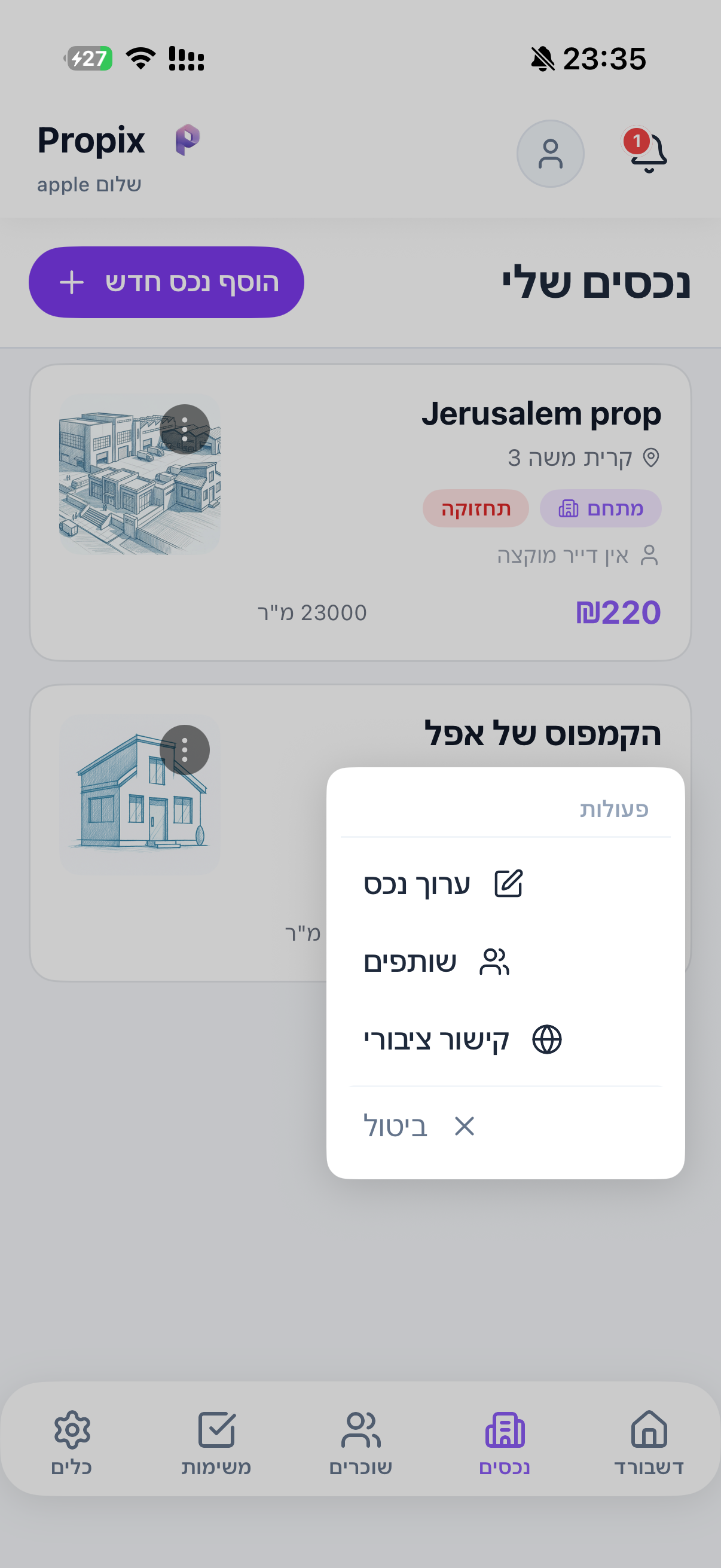
Picture a one-year lease at ₪5,800/month with a ₪17,000 cash deposit — just under the three-month cap. At move-out, the landlord finds a cracked bathroom tile and a burn mark on the kitchen counter. Because the move-in protocol from a year earlier included dated photos of both areas showing them undamaged, and the landlord got two repair quotes (₪450 for the tile, ₪600 for the counter) within a week of the tenant leaving, the ₪1,050 deduction went through without dispute — the tenant signed off on it the same day, and the remaining ₪15,950 was wired back within a week, well inside the 60-day window. Flip any one of those details — no dated photos, no quotes, a two-month delay — and the same deduction becomes a small claims case the landlord is more likely to lose than win.
A Common Mistake: Confusing Security Deposits With Key Money
A security deposit is money returned at the end of the lease. "Key money" is a separate, non-refundable payment unrelated to the deposit — an old mechanism that's barely used in the open market today. Don't mix up these concepts in the lease; it's a common source of disputes when a tenant assumes an upfront payment is refundable and it isn't, or vice versa.
Deposit Checklist Before You Sign
- [ ] Confirm the combined value of all security instruments is under the one-third/three-month cap
- [ ] Decide which type (cash, bank guarantee, guarantor) fits this specific tenant
- [ ] State the exact amount, form, and return conditions in the lease itself
- [ ] Keep cash deposits in a separate, identifiable place — not mixed with personal funds
- [ ] Calendar the 60-day return deadline the day the lease ends
Frequently Asked Questions
Can I ask for a deposit plus a full guarantor on top? Yes, as long as the combined value of everything stays under the legal cap — you can mix instruments, you just can't exceed the ceiling by stacking them.
What if the tenant disputes a deduction I believe is fair? Try to resolve it directly first with your documentation in hand; if that fails, small claims court is designed for exactly this kind of dispute and doesn't require a lawyer.
Does the cap apply to furnished apartments too? Yes — the cap is based on rent, not on the value of furniture or equipment in the property, so a furnished apartment doesn't get a higher allowed ceiling.
Where This Leaves You
A properly managed security deposit isn't just legal protection — it's also what lets you end a lease without drama. Stick to the allowed amount, keep organized documentation, and return it on time. A tenant who gets their deposit back fairly and promptly is a tenant who recommends you to others.
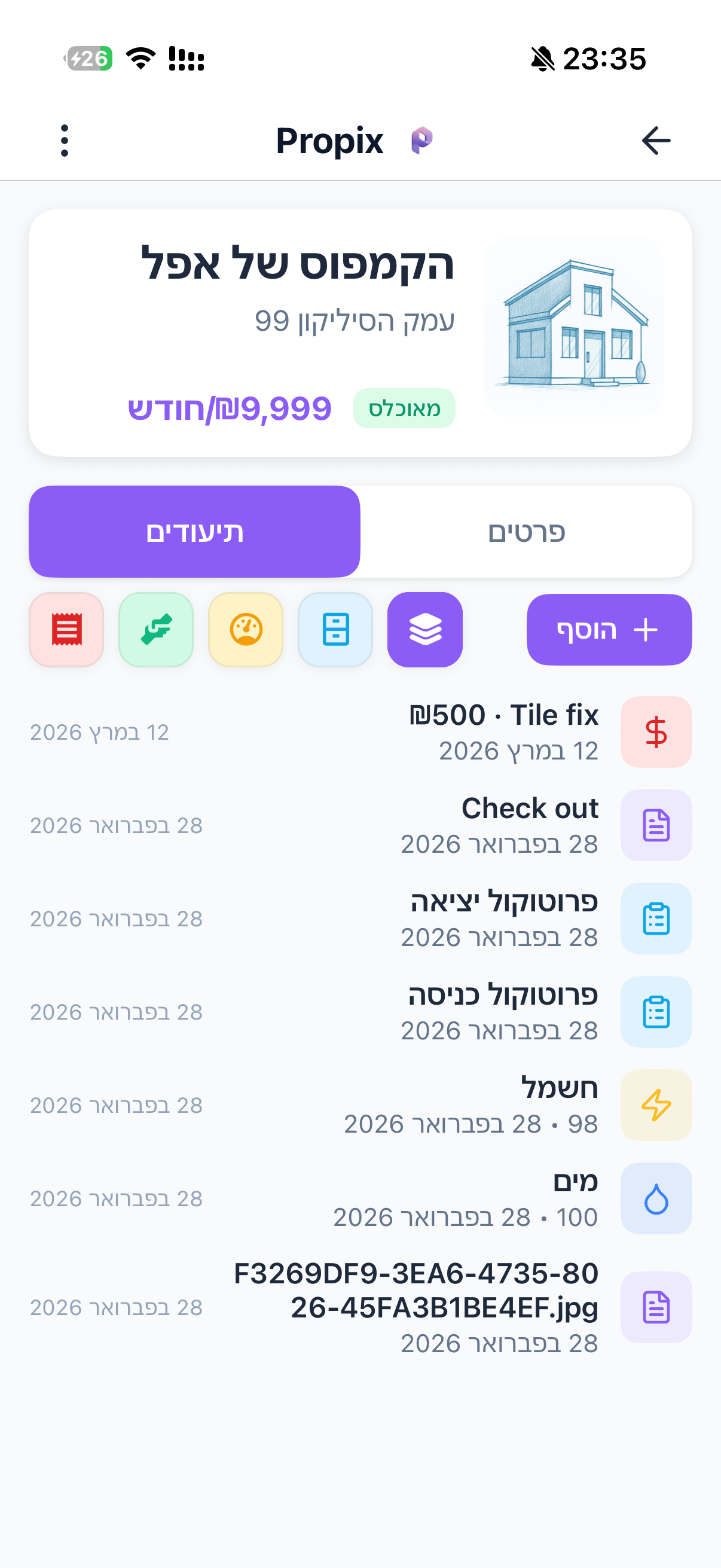
Propix keeps your security details, collection date, and return deadline in one place for every property, so you never miss a date and never have to remember what you collected and when.