

Rental Lease Agreement – 10 Clauses Every Lease Must Include
·6 min read
A lease isn't just paperwork — it's the one document that protects you in every dispute. When there's an argument over a deposit, damage to the property, missing payments, or who's responsible for a repair — the lease is the referee.
A lease that's too generic, or based on an old template you downloaded from the internet years ago, can leave you exposed. Courts tend to favor tenants to some degree, so the clearer and more detailed your lease, the better protected you are. It's also important to make sure your lease aligns with the minimum conditions set by the Fair Rental Law, especially regarding security deposits and repair timelines.
Before you get to the lease stage, make sure you've done a thorough tenant screening. A perfect lease with the wrong tenant won't solve your problems.
Clauses That Define the Parties and the Property
1. Full party details
Full names, ID numbers, current addresses, and contact information for all parties — including guarantors, if any. Don't settle for a first name and a phone number.
Especially important: if the lease includes a guarantor, make sure their full details appear in the body of the lease, not just in an appendix.
2. Precise description of the property
Full address including floor and apartment number, number of rooms, parking (if included), storage (if included), and anything defined as part of the rental. If the property is furnished, itemize the furniture in a separate appendix with photos.
Precise detail saves future arguments: "The parking wasn't included" — "Yes it was" — an argument you can avoid with two words in the lease.
3. Lease term
Clear start and end dates. Answer all of the following within the lease itself:
- Is there an option to extend? For how long? Under known terms?
- What happens if the tenant wants to leave early? What's the minimum notice period?
- Is the tenant allowed to assign the lease to another tenant, or sublet the property? By default you can withhold consent, but only for a genuinely reasonable reason — an unexplained blanket refusal can be challenged under Section 22 of the Hire and Loan Law. Spell out in the lease what you'll require before approving a sublet (documents, notice period, written consent), so your position is clearly reasonable if it's ever tested.
The clearer the answers in the lease, the less room there is for interpretation against your interests.
Clauses That Define Money and Security
4. Rent amount and payment date
A clause that seems simple but must include:
- The exact amount — in numerals and in words
- The currency — and if there's indexation, to which index
- The collection date — by the Xth of each month
- Payment method — bank transfer to account number X, checks, etc.
- Indexation mechanism — if tied to the Consumer Price Index, detail how the calculation works
Rent without a defined collection date = a tenant who can claim they paid "by the end of the month" and be legally correct.
5. Security
Detail all security provided:
- Security checks — how many, for what amount, dated when, in what currency
- Bank guarantee — if any, note its number and validity
- Personal guarantors — names, details, and their signature in the body of the lease
- Cash deposit — if paid, note the amount and return terms
The security clause is one of the most critical — it's what you'll rely on if the tenant stops paying.
6. Division of building committee fees, property tax, and utilities
Who pays what? Define each item separately:
- Building committee fees
- Property tax (and registering the payer with the municipality)
- Water
- Electricity and gas
- Internet and TV
Lack of clear definition causes a classic dispute: "I thought property tax was included." — "No, that was on you." Defining it in the lease eliminates this argument at its root.
Clauses That Prevent Disputes Down the Line
7. Responsibility for repairs and maintenance
Clearly define who's responsible for what. The basic rule under most landlord-tenant law:
- Landlord: construction defects, structural issues, reasonable wear and tear, infrastructure systems
- Tenant: damage they caused, misuse, routine upkeep
It's recommended to add a threshold amount: "Repairs costing up to [amount] will be handled by the tenant. Above that — discussed with the landlord before any work begins."
For full detail on maintenance responsibility and repairs, see our guide to who's responsible for what in a rental property. If the apartment is new and still has known, unresolved construction defects, don't leave them unmentioned in the lease — they need their own clause and a dated addendum describing exactly what's outstanding.
8. Pet and smoking policy
If you don't want pets, state it explicitly: "No pets are permitted on the property without explicit written approval from the landlord." Without this clause, the ban may become unenforceable.
The same goes for smoking: "This is a non-smoking property. Smoking indoors constitutes a breach of contract."
9. Early termination terms
What happens if the tenant wants to leave before the lease ends? Define in advance:
- Notice period — how many months?
- Compensation for the landlord — does the tenant pay rent until a replacement tenant is found?
- Replacement tenant — can the tenant propose another tenant, subject to your approval?
Without this clause, a tenant who leaves a month before the lease ends could cost you a full month's rent.
10. Move-in and move-out protocol
This is the clause that prevents most deposit disputes. Define that the lease requires:
- Move-in protocol — a documented list of the property's condition with photos before the tenant moves in
- Move-out protocol — a joint inspection on the day the tenant leaves
- Dispute resolution mechanism — what happens if there's disagreement about the property's condition?
A tenant who signs a move-in protocol with photos can't later claim the crack in the wall was there before they moved in.
Bonus: appendices worth attaching
- Furniture and equipment inventory with photos (if the property is furnished)
- Photos of the property's condition at move-in (numbered and referenced in the lease)
- Copy of the latest property tax payment
- Building committee details and contact person
Common lease mistakes
- Using an old template from the internet — the law changes; a template from years ago may not cover current cases
- A lease without clear dates — "one year from move-in" without an exact date = a problem
- Guarantors who didn't sign the lease itself — a guarantor who signed a separate document may later claim they never read it
- Missing pet policy clause — a significant share of disputes involve unapproved pets
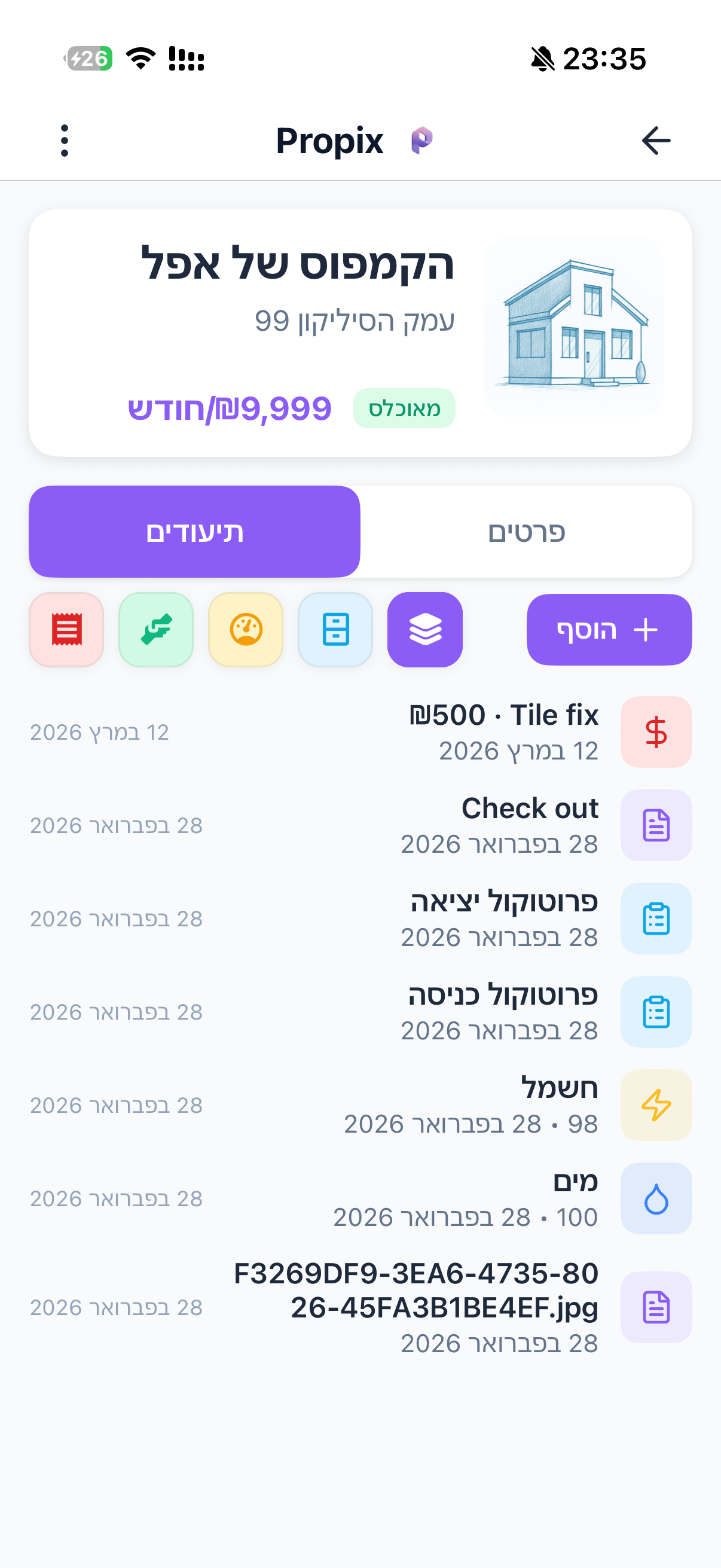
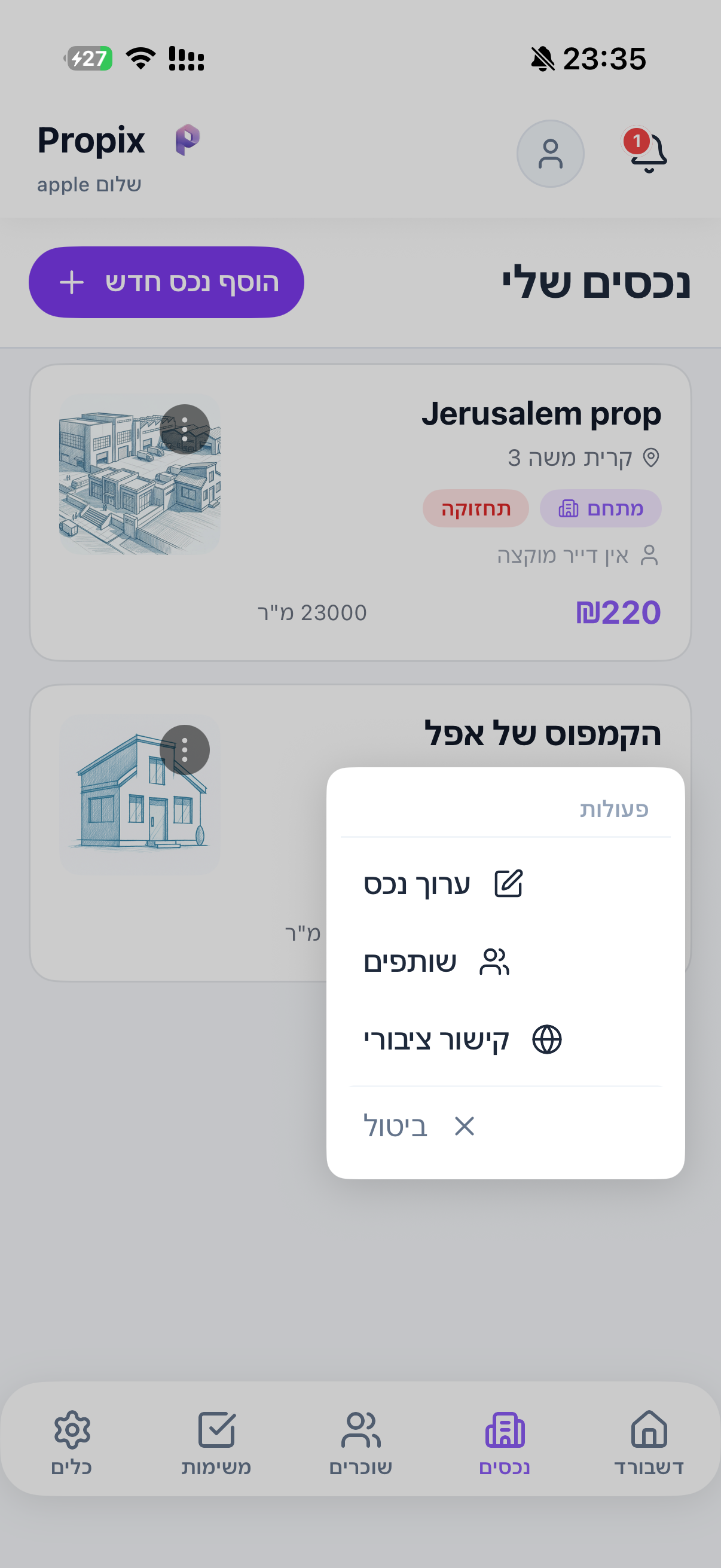
Propix includes digital move-in and move-out protocols, tenant document management, and lease storage — so all your information is accessible, organized, and ready for any possible dispute.