
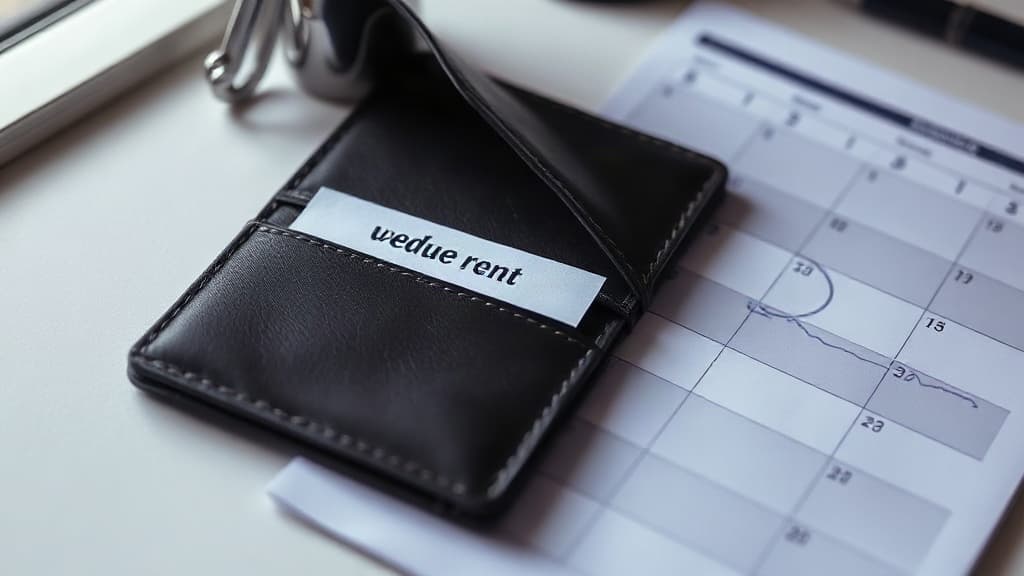
Tenant Not Paying Rent – What Do You Do? A Step-by-Step Guide
·6 min read
One of every landlord's nightmares: the tenant stops paying. Sometimes it starts with a one-week delay, then two weeks, then a full month. Your stomach drops, and the questions start: what do I do now, can I evict them, should I call a lawyer, is it legal to cut off electricity?
If you're in this situation, don't panic. There's a clear, step-by-step procedure. Following the right sequence saves money and time, and prevents mistakes that could turn you from the plaintiff into the defendant.
Step 1: A Direct, Calm Conversation
Before any legal step, talk to the tenant. This seems obvious, but many landlords skip it out of anger, and later discover the delay had a legitimate cause: a sudden layoff, hospitalization, a bank issue holding up a transfer.
How to handle the conversation:
- Reach out calmly and factually: "I noticed this month's payment hasn't come through yet. Is everything okay?"
- Offer to work out a payment plan if there's a temporary need, sometimes that's better than legal action
- Document the conversation via WhatsApp or email. A verbal conversation alone isn't enough
Documentation matters: if you agree on a payment plan, put it in writing: "As agreed, the debt of [₪X] will be paid in three equal installments: [dates]."
Step 2: A Formal Warning Letter
If you don't get a reasonable response within 3–5 days, send a formal warning letter. The letter should include:
- The parties' names and property details
- The exact debt amount — months, sums, dates
- A final payment deadline — usually 7–14 days
- A clear statement: "In the absence of payment by date X, legal proceedings will be initiated"
Send the letter through two channels: registered mail with proof of delivery, essential for any future legal process, and WhatsApp or email, to document that the tenant received the message. A lawyer can draft a professional warning letter that improves the odds of a positive response and strengthens your legal position.
Step 3: Check the Lease and the Security
Now's the time to open the lease agreement and check exactly what you have available.
Security checks: do you have checks on hand, how many, for what amount, and are they still valid? What does the lease say about the deposit conditions? Guarantors: did they sign the lease itself, not just a separate document, and if so, now's the time to contact them. Other security: is a bank guarantee valid and who issued it, and is a cash deposit actually on hand? It's also worth checking whether the lease has a late payment penalty clause — sometimes you can charge interest on the overdue amount.
Step 4: Depositing a Security Check
If you have a security check that hasn't been honored, you can deposit it. But be careful: some leases have preconditions for depositing it, such as a prior warning letter. A check that bounces for "insufficient funds" can be filed as a criminal complaint. Check with a lawyer before depositing — acting without preparation could hurt your position.
Step 5: Filing a Small Claims Court Case
Claims up to ₪39,900 (as of 2026, indexed annually) are filed in small claims court, without a lawyer, in a relatively fast process. Filing is relatively simple and court costs are low.
What to gather before filing:
- A copy of the signed lease
- Proof of non-payment (bank statements)
- Documentation of all communication with the tenant (messages, emails)
- The warning letter and proof of delivery
For larger claims, the magistrate's court. There, it's worth getting a lawyer involved.
Step 6: Eviction
Evicting a tenant requires a court ruling. What you must never do: change the locks without a court order, cut off electricity, water, or gas, forcibly remove the tenant's belongings, or enter the property without consent. Each of these constitutes a criminal offense and turns you from plaintiff into defendant.
The legal process: file an eviction claim with the magistrate's court, the court hears both sides, and if an eviction order is issued, you wait for it to be enforced by the Execution Office. Process duration: 3–9 months on average, depending on court backlog and case complexity. It's recommended to get a lawyer who specializes in landlord-tenant law involved. For a full breakdown of every step in the eviction process, including costs and the fast-track option, see our complete legal guide to evicting a tenant.
Step 7: Enforcement and How Long the Whole Process Takes
Even after winning a ruling in your favor, the tenant won't always pay voluntarily. You can open an enforcement file to collect the debt: wage garnishment, bank account seizure, or property lien.
| Step | Duration | |------|----------| | Direct outreach | 3–7 days | | Warning letter | 7–14 days | | Filing the claim | About a week | | Hearing and ruling | 30–120 days | | Actual eviction | 30–90 days |
A Concrete Scenario
A tenant who's paid on time for eight months suddenly misses a payment. Instead of assuming the worst, the landlord sends a calm WhatsApp message the day after the due date. The tenant explains a temporary cash-flow gap from a delayed freelance payment and asks for two weeks. The landlord agrees, gets it in writing, and the tenant pays in full nine days later, plus a small amount to cover the delay as agreed. No warning letter, no court, no damage to the relationship. Contrast that with a different tenant who goes silent after the same first message: three days later, still no response, so the formal warning letter goes out by registered mail. That tenant also stays silent through the 10-day deadline, and the landlord files in small claims court a week later with a complete file — lease, bank statements, the warning letter, and every message exchanged. The difference between the two outcomes wasn't luck, it was following the same first two steps consistently and letting the tenant's response determine what came next.

Frequently Asked Questions
Can I charge interest on the overdue rent? Only if the lease includes a late-payment penalty clause specifying it — without that clause in writing, you can't add interest unilaterally after the fact.
What if the tenant offers to pay in cash to "keep it simple"? Accept it if you want, but get a receipt or written confirmation either way — an undocumented cash payment can create confusion later about how much was actually paid and when.
Is it worth pursuing a debt through enforcement if the tenant clearly has no money? Sometimes not immediately — an enforcement file can sit open and be revisited later if the tenant's financial situation improves, so it's not necessarily wasted effort even if there's nothing to collect right away.
Preventive Tip: Ongoing Documentation From Day One
The best way to deal with a non-paying tenant is to document everything from day one: every payment, every conversation, every fault. Organized property maintenance with documentation also helps when disputes arise over deposit deductions. And don't forget: the most important check happens before signing the lease. Choosing the right tenant is the best way to never reach this stage.
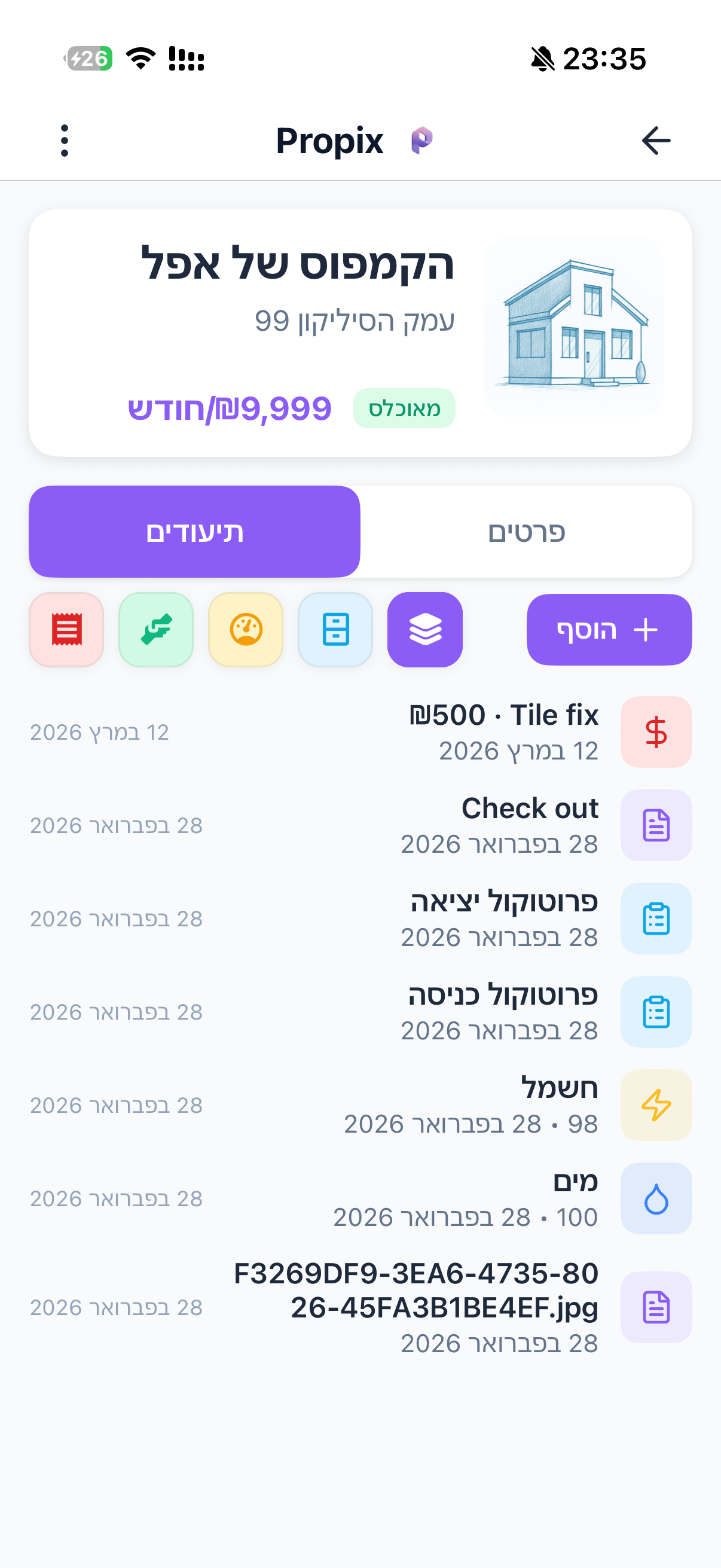
Propix lets you track every rent payment, send automatic reminders, and document every interaction with the tenant, so you always have a complete picture and documentation ready for any process that might follow.