
5 Ways to Increase the Yield on Your Rental Property
·6 min read
Many property owners settle for knowing their monthly rent. But the number that actually matters to a real estate investor is net yield, how much is left in your pocket after all expenses.
The basic gross yield formula:
(Annual rent ÷ property value) × 100 = gross yield
Example: a property worth ₪1,500,000 generating ₪5,000/month has an annual income of ₪60,000, for a gross yield of 4%.
But after expenses — building committee fees, property tax you didn't pass on to the tenant, insurance, maintenance, and vacancy periods — net yield may come out to only 2.5%–3%. That gap is the opportunity for improvement. Here's how:
1. Correct Pricing — Not Just "What the Neighbor Charges"
The common mistake: pricing based on what a neighbor charges, without evaluating your specific property. Every property is different — floor, parking, condition, recent renovations, window orientation.
How to price correctly:
- Check closed rental deals, not just listing prices. What's listed at ₪6,000 sometimes closes at ₪5,500. Listing sites often show transaction history too.
- Visit competing apartments — how many potential renters are looking, what does that apartment offer that yours doesn't.
- Consider seasonality — moving season in August–September is peak demand. If your property becomes vacant during this window, there's room to price slightly higher, and also to fill it faster. See our guide to finding a tenant fast during moving season.
Rent set ₪300/month below market means ₪3,600 a year out of your pocket. Over 3 years, ₪10,800. For efficient management of income and expenses, see our 5 tips for smart property management, including performance metrics that help you know when it's time to revisit pricing.
2. Targeted Renovation With High ROI
Not every renovation pays for itself. The key is investing in improvements that let you raise the rent, not just upgrade the property.
Investments that pay back the fastest:
- Renovated kitchen (cabinets + new countertop): costs ₪8,000–15,000, lets you raise rent ₪300–500/month, payback within 2–3 years
- Renovated bathroom: costs ₪10,000–20,000, big effect on first impressions and lets you target higher-quality tenants
- Fresh paint: the cheapest investment relative to the result, ₪2,000–4,000 that makes it look like a new property
- Modern lighting: a few thousand shekels, a noticeable visual difference in photos and viewings
What's less worth it:
- Luxury upgrades in a lower-tier market — the market won't absorb the price difference
- An enclosed balcony requiring a building permit
- Upgrades that look "nice" but don't enable a rent increase
While you're renovating, it's important to document the property's condition before and after with a proper handover protocol, so the next tenant is clear on exactly what they're getting and there's no ambiguity later.

3. Reducing Vacancy Periods
Every month a property sits vacant equals a full month of loss, not just in missing income, but also in ongoing expenses: building committee fees, insurance, and sometimes a reduced but non-zero property tax rate.
How to minimize it:
- Start marketing 60–90 days before the lease ends, not two weeks. A quality tenant usually starts looking two months ahead, not a week before moving.
- Offer good tenants an extension option — better to lower rent by ₪100–200 than to lose a month vacant and then pay an agent.
- Use professional photography — properties with good photos fill faster and sometimes at a higher price. Cost of professional photography: ₪400–800, with a direct impact on how fast you find a tenant.
Quick math: on a ₪5,000/month property, one vacant month a year = ₪5,000 lost. Lowering rent by ₪100 to retain a good tenant = ₪1,200 a year. It's clear who comes out ahead.
4. Cutting Operating Expenses
Hidden expenses that eat into your yield:
Building committee fees: do you know how much the committee charges and why? In larger buildings, it's worth attending committee meetings. High fees are sometimes the result of poor oversight, not real costs.
Structure insurance: most landlords don't shop around for structure insurance every year. Comparing prices can save 20%–30%. On an average annual premium of ₪2,000, that's a savings of ₪400–600 a year.
Tradespeople: a plumber you call in a panic at 8pm charges triple what someone you know in advance would. Build a network of trusted tradespeople, plumber, electrician, carpenter, who can come at a fair price within a reasonable time.
For full detail on proper maintenance management and who pays for what, see our guide to who's responsible for repairs in a rental property.

5. Self-Management vs. a Management Company
A management company typically charges 8%–10% of the rent. On a ₪5,000/month property, that's ₪400–500/month, roughly ₪5,000–6,000 a year.
When is it worth paying?
| Situation | Recommendation | |-----------|-----------------| | One property, close to home, stable tenant | Self-manage | | 3+ properties, living in a different city | Management company | | Problematic tenants in the past | Consider a management company | | Self-employed / limited availability | Management company |
If you choose self-management, digital tools that centralize payments, documents, and maintenance can save you most of the time a management company would have saved, without the fee.
A Hidden Factor: Rental Tax
One of the factors that most affects your net yield is your tax track. Several tracks exist, and some allow expense deductions, which directly affects your net income. For the full breakdown, see our rental income tax guide.
A Concrete Example: Stacking the Improvements
Take a property renting at ₪5,300/month against a market rate closer to ₪5,600, with a management company taking 9% and a structure insurance policy that hasn't been reshopped in four years. Correcting the price alone adds ₪3,600/year. Comparing insurance and switching providers saves another ₪500/year. Moving to self-management with a digital system instead of the management company saves roughly ₪5,700/year in fees, in exchange for a modest amount of personal time each month. None of these three changes requires a renovation or a new tenant, together they add close to ₪9,800 a year to net income on a single property, purely from correcting existing inefficiencies.
Frequently Asked Questions
Is a 3% net yield actually bad? It depends on the market and the property's appreciation potential, but if your gross yield is meaningfully higher than 3% and the gap is entirely eaten by preventable expenses or under-pricing, that gap is worth closing regardless of what's considered "normal" locally.
Should I renovate before or after finding a new tenant? Before, whenever possible. A renovated apartment photographs better, rents faster, and lets you set the higher price from day one rather than trying to justify a bigger jump to an existing tenant at the next renewal.
How often should I re-check my pricing? At minimum once a year, ideally before every lease renewal and again whenever the property becomes vacant, since market rates shift faster than most landlords check.
So What Do You Do Today?
- Calculate your net yield (not gross)
- If it's below 3%, identify the sources of loss
- Start with what doesn't cost money: checking market price, retaining a good tenant, comparing insurance
- Then consider a targeted renovation with high ROI
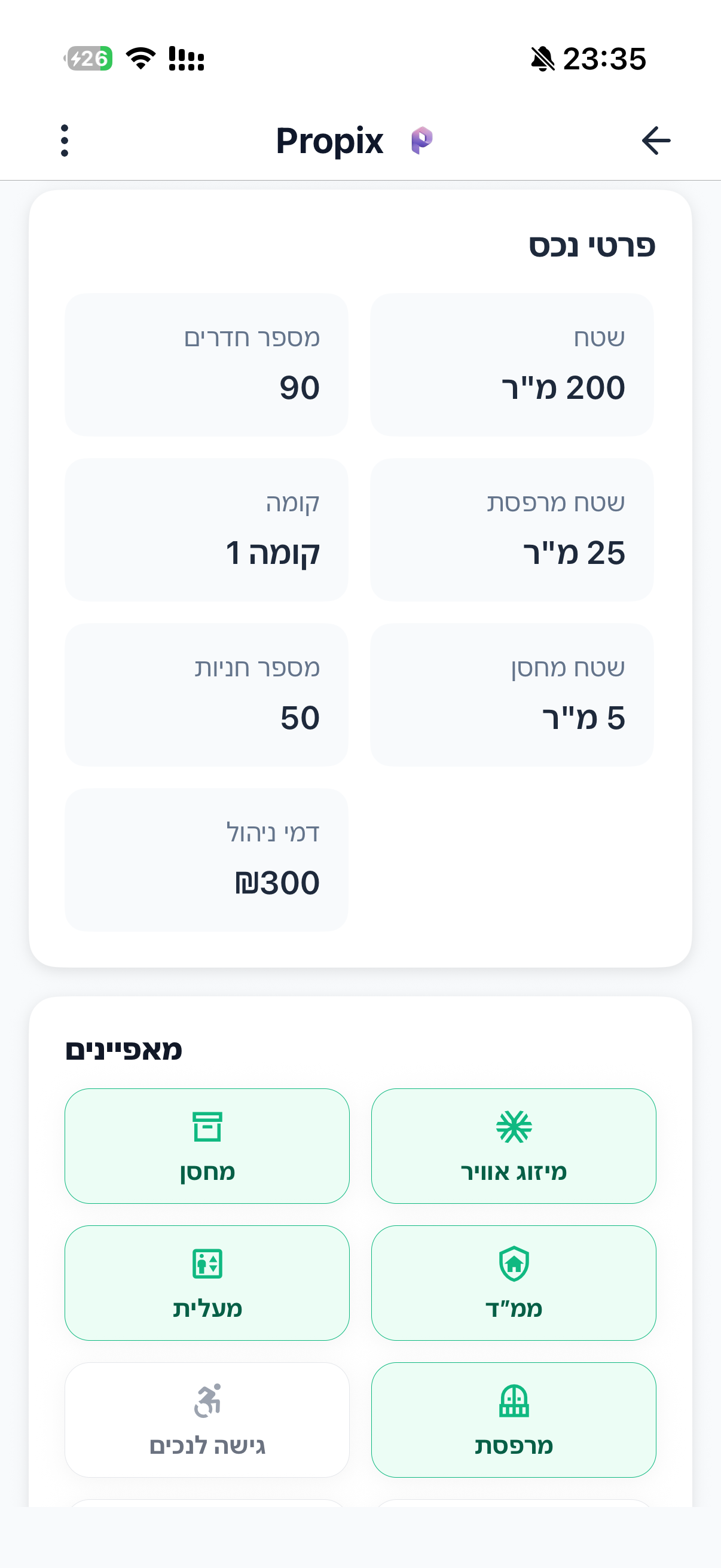
Propix gives you performance data for every property — yield, payment delays, expenses — so you can make data-driven decisions instead of relying on gut feeling.