
5 Tips for Smart Property Management in 2025
·7 min read
Your phone buzzes at 11pm with a photo of a leaking pipe from a tenant. You have three properties and five tenants, and you can't remember offhand whether the tenant in unit B actually paid this month. If that sounds familiar, you're not managing badly — you're managing the way most landlords do: reactively, from memory, across scattered WhatsApp threads.
The rental market has shifted over the past few years. More people rent for longer, rental prices have climbed, and landlords increasingly manage two, three, or more properties at once. With that growth comes complexity: more tenants, more contracts, more payments to track, more maintenance issues to handle. Landlords who've switched to digital tools consistently describe spending far less time chasing payments and tracking down documents than they used to. Those still managing everything through spreadsheets and group chats stay busy — but rarely efficient.
Here are five things smart property owners do differently, and what it costs when they don't.
1. Centralize Everything in One Place
The classic mistake of a landlord with two or more properties: a separate spreadsheet for each property, a different WhatsApp thread for each tenant, and PDF files scattered across email and phone storage. When the moment comes to check whether the tenant in property B paid this month, the search begins.
Instead, use a single platform that shows all your properties, tenants and payments in one view. At any given moment you should know:
- Which tenants have paid this month and which haven't
- Which contracts are approaching their end date
- Which maintenance issues are pending
This centralization doesn't just save time — it prevents costly mistakes. A tenant who's two weeks late and gets missed is a tenant who might be on their way to becoming a serious payment problem.
The bottom line: if you can't answer "what's the status of all my properties right now?" in under 30 seconds, you need a better system.
2. Set Automatic Rent Payment Reminders
One of the biggest causes of late payments is simply forgetfulness. Tenants aren't necessarily bad payers — they're busy. An employee who gets paid on the 10th and has rent due on the 1st might simply forget to transfer on time.
Send an automatic reminder the day before the due date, not to pressure, but to help. The impact is significant: landlords using automatic reminders consistently report far fewer payments dragging on more than a week late. An automated reminder also isn't personal — it doesn't create friction between you and your tenant the way a manually typed message can, especially if your tone comes across wrong after a long day.
Reminders solve forgetfulness, not a genuine cash-flow problem. If a tenant is still more than two weeks late despite reminders, that's the point to move from nudging to the structured process in our guide on what to do when a tenant stops paying rent.
3. Document Every Issue in Real Time
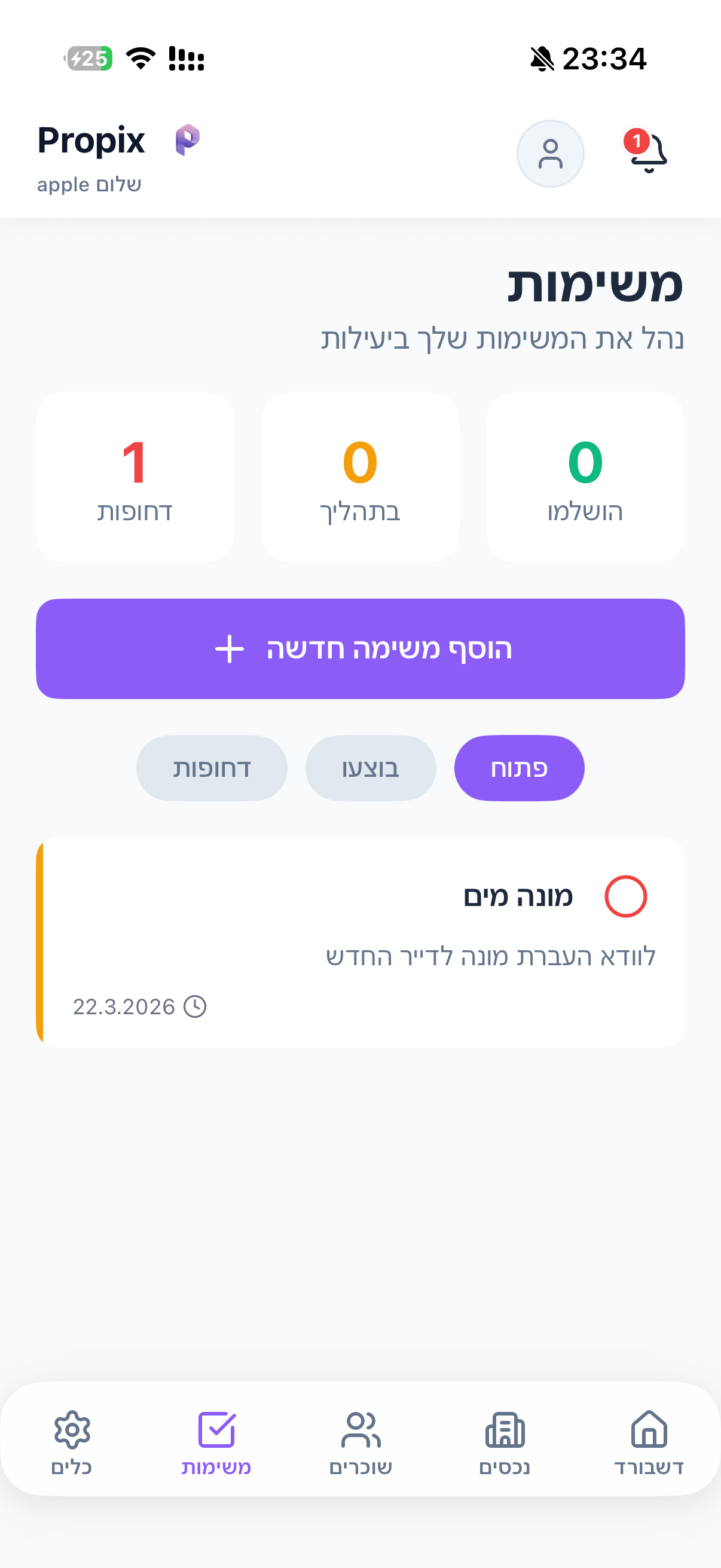
One of the most contested topics between landlords and tenants is maintenance responsibility — who pays for what when something breaks? The best way to protect yourself from unnecessary disputes: document everything immediately.
This habit starts on day one, with a proper handover protocol that records the property's condition before the tenant moves in. Everything you document afterward builds on that baseline. When a tenant reports a problem, log it right away — date, precise description, and photos if possible. This creates a clear record that:
- Establishes when the issue was first reported
- Shows what condition the property was in when the tenant moved in
- Prevents misunderstandings at the end of the lease when it comes to the security deposit
Ongoing documentation also helps you track preventive maintenance: when was the property last painted? When was the boiler replaced? When were the air conditioning filters last cleaned? A landlord with a complete maintenance record is a landlord who wins disputes — and rarely has them in the first place.
4. Share Documents Easily and Professionally
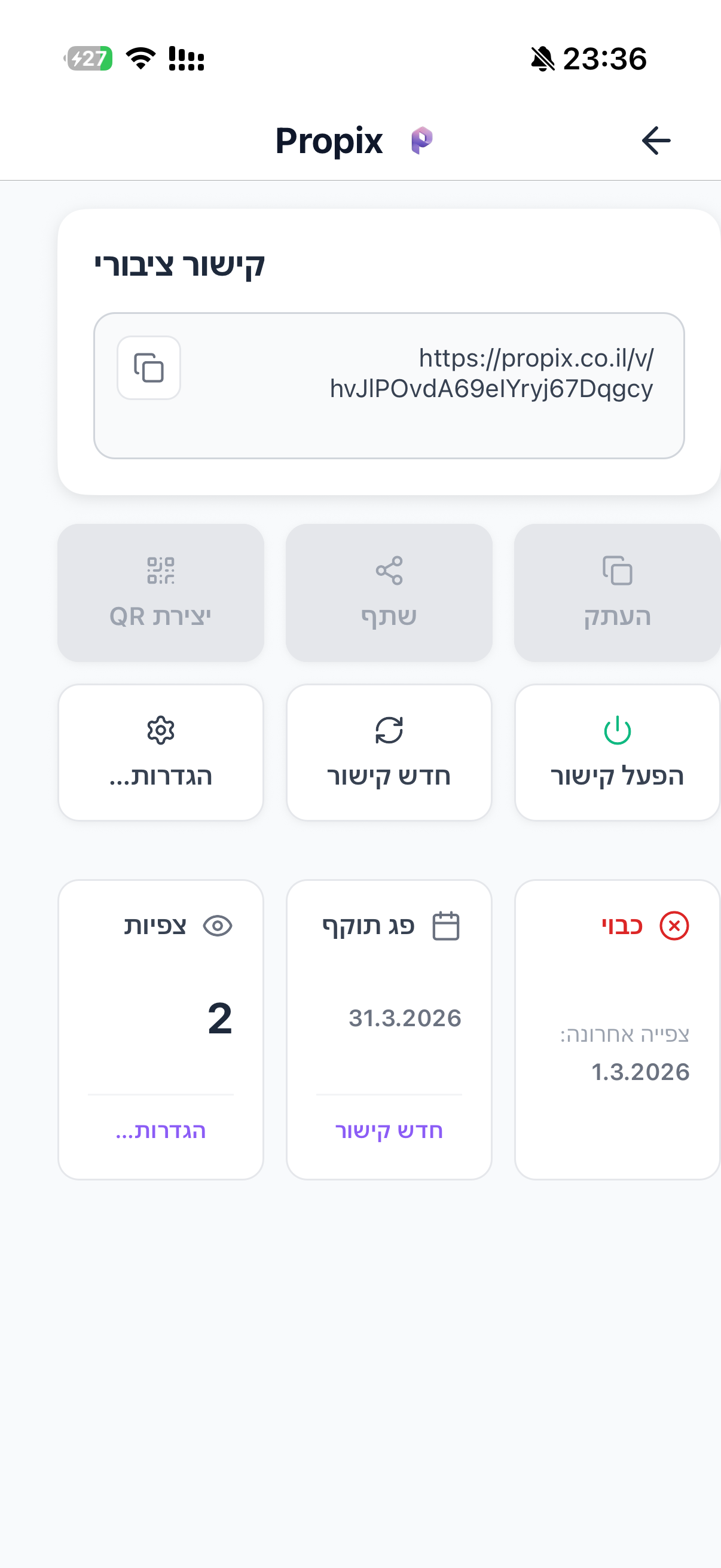
"Did you send me the lease?" "Yes, a year ago, on WhatsApp." "I can't find it." This scene is familiar to every landlord. The fix: a unique link for each property that gives tenants access to all relevant documents — the lease, payment confirmations, building management details, insurance contacts — without you needing to be available around the clock.
The same organization applies to security money. Knowing exactly what you collected, in what form, and when it's due back protects you just as much as understanding the legal rules on deposits and guarantees does. Beyond convenience:
- When a new tenant moves in, everything is ready and organized
- When there's a dispute, both sides have access to the same documents
- Tenants who get a professional, organized experience tend to treat the property with more care
A well-organized landlord attracts well-organized tenants.
5. Track Performance Metrics — Not Just "How Much Came In"
Many landlords know their monthly rent figure but don't actually know their net yield. The difference is significant. Questions worth reviewing every one to two months:
- What is my net yield? After building management fees, property tax, insurance and maintenance, what actually remains?
- What is my late payment rate? If a particular tenant is consistently late, that's a data point worth acting on.
- How many vacancy periods have there been? One empty month per year equals roughly 8% of annual income gone.
- Which properties are most problematic, in terms of maintenance, tenant issues, or payment delays?
This data helps you make better decisions: whether to invest in renovation, whether to raise the rent at renewal, whether a tenant is worth keeping even if they occasionally run late. If your net yield looks lower than it should, our guide to increasing rental property yield walks through the specific levers — pricing, renovation, vacancy, expenses — that close the gap.
What This Looks Like in Practice
Consider a landlord with three apartments in different neighborhoods, managed part-time alongside a full-time job. Before switching to a single system, keeping track meant three different Excel files, a shared photo album for each property's condition, and a mental note of due dates that occasionally failed. One month, a due-date slip meant discovering a tenant was three weeks late only when a bank statement was checked at month-end — by then, the tenant had already spent the money elsewhere and needed six weeks to catch up.
After centralizing, the same landlord gets a reminder the day before each due date, sees a single dashboard showing which of the three tenants has paid, and has every maintenance request time-stamped with photos. A dripping faucet reported in month three was fixed within 48 hours and logged — so when the tenant moved out a year later disputing a water stain on the ceiling, the photo from month three proved it predated the tenancy. That single saved argument was worth more than the setup time.
Frequently Asked Questions
Do I need a system like this with just one apartment? Even with one property, automatic reminders and a documented maintenance history protect you the same way — the return on time invested is just smaller in scale, not different in kind.
What's the minimum I should track if I do nothing else? Payment dates, the security deposit amount and return date, and photo-dated maintenance requests. Those three alone prevent most disputes.
How much time does this actually save in practice? Landlords managing two or more properties typically report going from several hours a week of scattered follow-up to under an hour, once reminders and centralized records replace manual chasing.
How Propix Helps
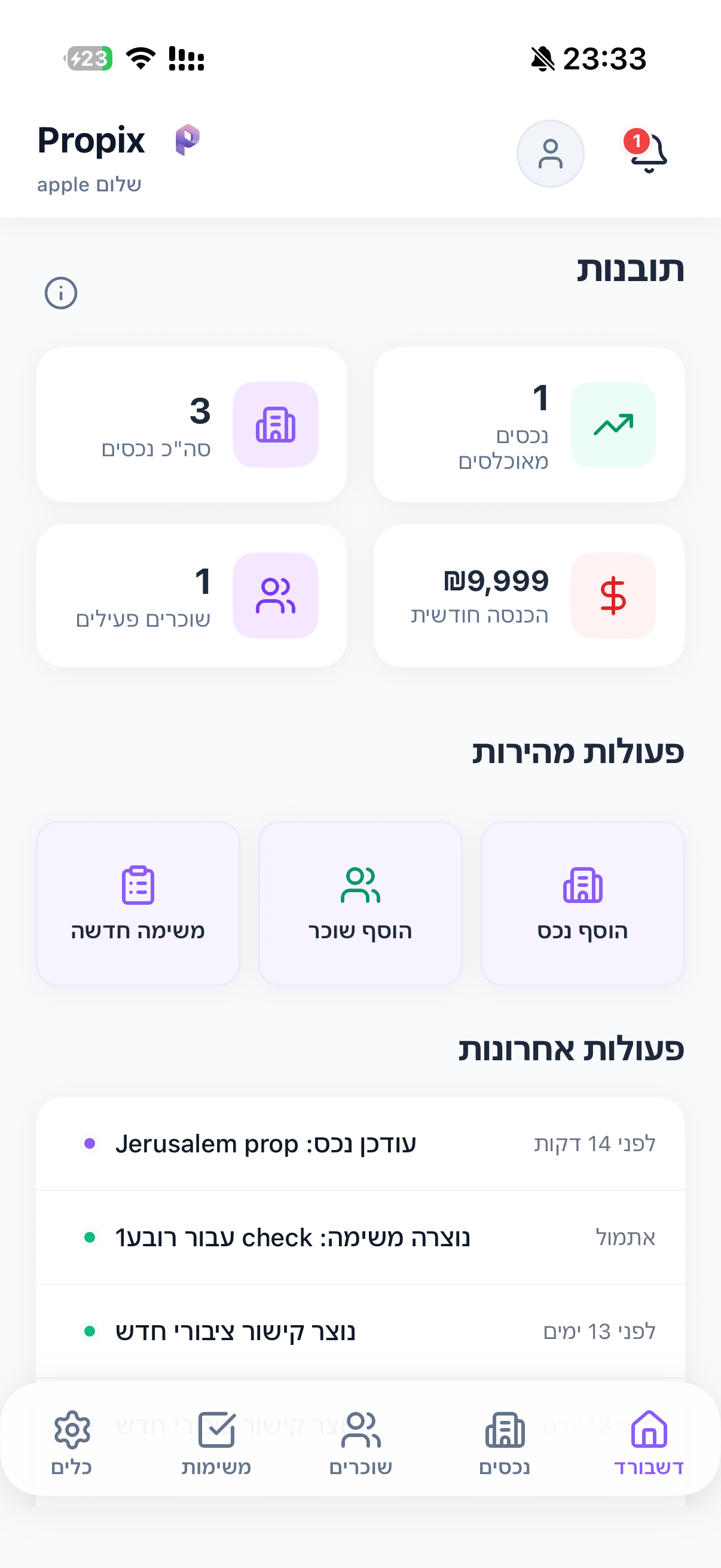
Propix is built for exactly this. Automatic reminders, document management, maintenance tracking and performance metrics all live in one app, available on iOS and Android — so you always know the status of every property without digging through a folder to find out.