

Subletting – Can Your Tenant Rent the Apartment to Someone Else?
·5 min read
You drive past the property and see a stranger walking out of the apartment, someone you've never seen, who definitely never went through any vetting on your end. It turns out your tenant went abroad for two months and sublet the apartment themselves to someone else without telling you. This is exactly the situation subletting can lead to when it isn't addressed in the lease.
What Subletting Actually Is
Subletting is when your tenant, the person who signed the original lease with you, rents out the property (in whole or in part) to a third party, without you becoming a direct party to the new agreement. This is especially common among students who lease for a year but leave for an exchange semester, or tenants who want to "split" a room with a third party to cut costs.
What the Law Says
The default under the law: a tenant may not sublet the property without the landlord's consent — that part is straightforward. The twist many landlords miss: under Section 22 of the Hire and Loan Law, 5731-1971, if you refuse consent for unreasonable reasons, or attach unreasonable conditions to your approval, the tenant can go ahead and sublet anyway, or ask a court to authorize it over your objection. What counts as "unreasonable" is decided case by case, but a blanket, unexplained refusal is far weaker ground than one backed by a real, specific concern, an unvetted subtenant, a documented building-bylaw restriction, a genuine insurance issue. The safest approach is still to write an explicit clause spelling out exactly what you'll require before approving a sublet (documents, a notice period, written consent), so any refusal you give is clearly reasonable and grounded in the lease itself, not a rule you invented on the spot. If you haven't checked whether your lease includes this clause, review the complete list of essential lease clauses.
Why This Is Dangerous for You as a Landlord
- You lose control over who lives in your property — the new occupant (subtenant) never went through any vetting with you
- Legal liability gets murky — if there's damage, who's responsible: the original tenant or the subtenant?
- Your insurance may not cover it — many policies are underwritten based on the original tenant's profile and occupancy, not a stranger you never vetted or even knew about. If that subtenant causes damage, or is injured in the property, an insurer can dispute the claim on the grounds that the actual occupant differs materially from who the policy was written for
- Enforcement gets harder — if you want to evict someone, you may not have a direct lease with whoever is actually living there
When It's Still Reasonable to Approve Subletting
Not every subletting request is a problem. A good tenant leaving for a short period who asks permission in advance, providing the subtenant's details for vetting, is a very different situation from someone acting without disclosure. If you agree, make sure:
- You receive the subtenant's details and run a basic check, exactly as you would vet a new tenant
- Consent is given in writing, specifying the exact subletting period
- The original tenant remains liable to you — subletting doesn't "disconnect" them from their lease with you
A Concrete Scenario
A tenant on a one-year lease gets a three-month work placement abroad and asks to sublet the apartment to a colleague for that period. Because the lease has an explicit subletting clause requiring written consent, the tenant comes to you two months in advance rather than making an arrangement quietly. You ask for the colleague's ID, a pay stub, and a short conversation, essentially the same screening you'd run on any new tenant. You approve in writing, specifying the exact three-month window and confirming the original tenant remains responsible for rent and any damage. When the placement ends and the original tenant returns, nothing about the lease has changed, and because the arrangement was documented from the start, there's no confusion about who was living there or who's accountable for the period in between.
What to Do If You Discover Unauthorized Subletting
This is a fundamental breach of contract. The first step: a written warning to the original tenant demanding immediate termination of the subletting. If the violation continues, this is grounds for an eviction claim, see our complete legal guide to evicting a tenant for the full process.
Subletting Clause Checklist
- [ ] The lease explicitly requires written landlord consent before any subletting
- [ ] The clause states the original tenant remains fully liable regardless of who occupies the unit
- [ ] A process is defined for how the subtenant will be vetted (documents required, timeframe)
- [ ] Consent, when given, specifies exact start and end dates for the sublet period
- [ ] Insurance and building bylaws are checked before approving any arrangement
Frequently Asked Questions
Can a tenant sublet just one room while still living there? The same consent rule applies regardless of whether it's the whole apartment or a single room — any arrangement that puts a person in the property who isn't on the original lease needs your written approval.
Does the original tenant still owe rent if the subtenant stops paying them? Yes. Subletting is an arrangement between the tenant and their subtenant; your lease remains with the original tenant, who stays responsible for rent to you regardless of what happens between them and whoever they sublet to.
Is a roommate the tenant brings in without payment also subletting? Generally no, if no rent changes hands and it's more like a shared living arrangement, though it's still worth having a clause requiring you to be informed of anyone residing in the property long-term.
Should I ever just say yes to subletting requests to avoid conflict? Not automatically. A quick, low-friction approval process that still includes basic vetting protects you without turning every request into a confrontation — the goal is a fast "yes, once I've seen the details," not a blanket refusal or a blank check.
Where This Leaves You
Subletting doesn't have to be a disaster, it's a manageable risk, provided you have a clear clause in the lease from the start. The simplest rule: no one moves into your property without you knowing and approving it.
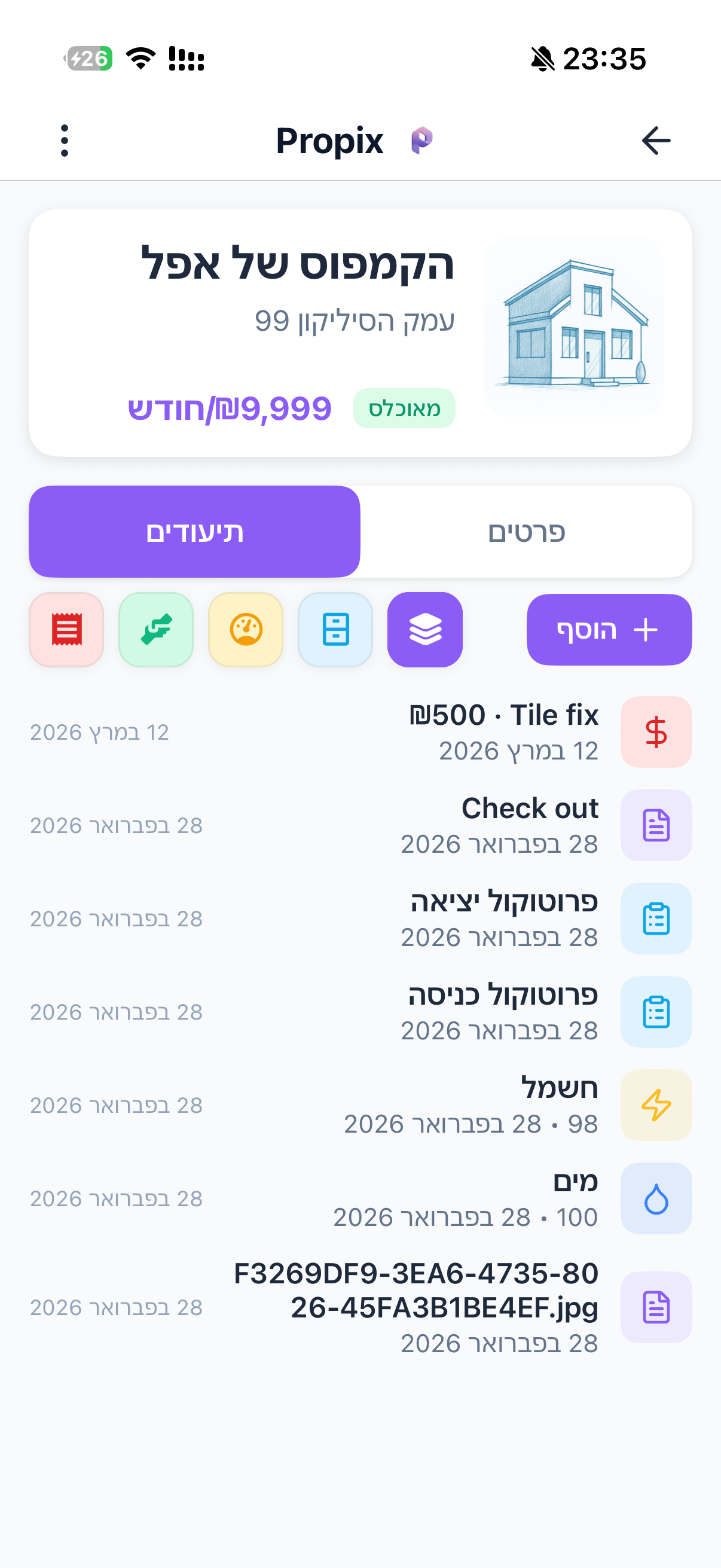
Propix keeps a digital copy of the lease with all key clauses for you, so you can quickly check what's allowed and what isn't, instead of digging through a filing cabinet while the situation is already unfolding.